
Stimulant Use Disorder doesn't always... | Georgia Telehealth Therapy
About this video
Stimulant Use Disorder doesn't always look the way people expect. It can involve cocaine or meth, but it also includes misusing prescription stimulants like Adderall, sometimes starting with the goal of studying harder, working longer, or just keeping up. It's a real medical condition: cravings, usi
Generated from Coping & Healing Counseling: Accessible Telehealth for Georgia
#CopingAndHealing #GeorgiaTherapy #Telehealth #MentalHealth
Transcript
When we hear the term stimulant use disorder, the image that comes to mind is usually tied to illicit street drugs like cocaine or methamphetamine. But the clinical reality often looks much different, frequently starting with the misuse of common prescription stimulants like aderall. Many people begin using these medications for productivity to study longer, work harder, or simply manage the crushing demands of a modern schedule. This overwhelming societal pressure to stay productive masks the quiet transition from a supposed life hack into a serious medical condition. Stimulant use disorder creates tangible severe physiological changes in the body, moving the condition far beyond simple willpower or habit. This treatment matrix shows a critical gap in modern medicine. While disorders
involving alcohol or opioids have various pharmaceutical treatments, there are currently zero FDA approved medications specifically for stimulant addiction. This medical void leaves individuals facing escalating health risks without a passive pharmaceutical off-ramp to rely on. Addressing this disorder requires moving away from the search for a chemical cure and focusing instead on a different type of clinical intervention. The disorder typically begins with an escalating cycle of intense cravings, often leading the individual to use much more of the substance than they ever intended. This eventually leads to a psychological trap where the person feels entirely unable to stop even when they are making a conscious active effort to quit. When the stimulant wears off, the body enters a
severe crash characterized by deep fatigue and a sharp sudden drop in mood. This phase carries secondary symptoms like extreme appetite surges and unsettling dreams. All while the disorder quietly erodess sleep quality and personal relationships. This cycle functions as a physically destructive loop that carries serious long-term risks for both heart health and mental stability. Without a pharmaceutical option to break this cycle, how does modern science treat the condition? Recovery depends on specialized behavioral therapy as the central scientifically necessary core of the treatment plan. Contingency management has the strongest evidence for success. It ensures a documented positive behavior immediately triggers a tangible reward. By systematically providing these rewards, this approach actively rewires the brain, reinforcing a new
behavioral pathway through repetition. Clinicians often use this approach alongside cognitive behavioral therapy and motivational interviewing to manage the underlying psychological drivers of use. Recovering from a stimulant use disorder involves an active scientifically validated process of rebuilding habits and internal motivations. Since evidence-based recovery depends on active behavioral therapy rather than a solo medication regimen, the process begins by connecting with a licensed clinician who can facilitate those sessions. Reaching out for this support is an act of courage that begins to strip away the stigma and shame often associated with the condition. Because the underlying neurological impacts are so complex, identifying the problem requires a formal diagnosis by a licensed professional to ensure the correct treatment protocol is
being used. Once an individual is connected to this evidence-based support system, a genuine and lasting recovery is entirely possible. Coping and healing counseling or CHC provides the specific clinical staffing and behavioral models required for this type of recovery. CHC operates as a 100% telealth practice. As this map shows, they provide HIPPA compliant coverage across all 159 counties in Georgia. Their 15 plus therapists, LCSSWS, LPC's, LMFTs, treat addiction, anxiety, depression, and stress. To make it accessible, they accept Medicaid for a $0 co-pay and major insurers like Etna, Sigma, and Blue Cross Blue Shield for 0 to $40 per session. You don't have to face this alone. Take the first step toward recovery by visiting chc theapy.com
or calling 404832102.
More videos

Post-Intensive Care Syndrome Explained | Georgia Telehealth Therapy
If you or someone you love spent time in an ICU, please read this.
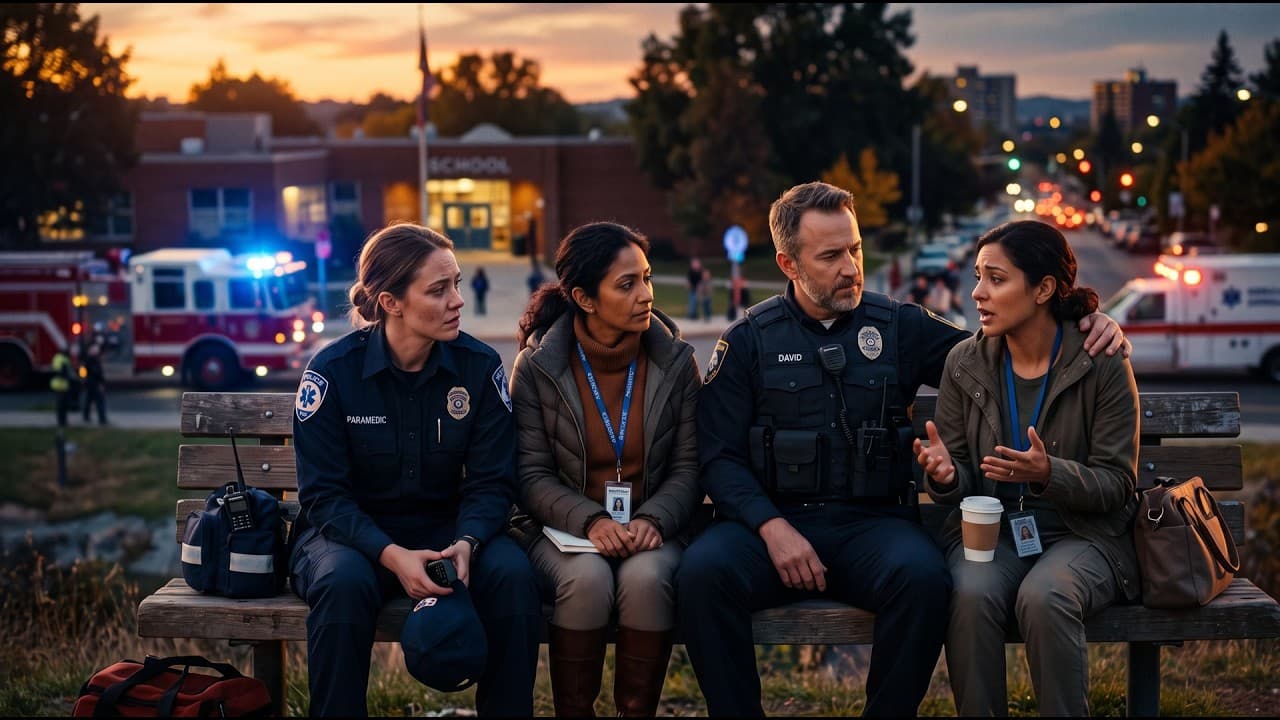
Moral Injury: Signs & Treatment | Georgia Telehealth Therapy
Question for anyone who works in healthcare, emergency services, education, or child welfare:

Burnout: Signs, Symptoms & Treatment | Georgia Telehealth Therapy
Can we talk about burnout for a second? Not the joking kind, the real kind.
Want to talk to a therapist?
15+ licensed therapists, all 159 Georgia counties, telehealth-only. Medicaid covered at $0 copay.
Book a free consultation