
Quick myth-buster: narcolepsy is NOT... | Georgia Telehealth Therapy
About this video
Quick myth-buster: narcolepsy is NOT just being sleepy or unmotivated. It's a neurological condition where the brain struggles to keep the line between sleep and wakefulness steady. People can be hit with crushing daytime sleepiness, fall asleep mid-conversation, or suddenly go weak in the knees whe
Generated from Coping & Healing Counseling: Accessible Telehealth for Georgia
#CopingAndHealing #GeorgiaTherapy #Telehealth #MentalHealth
Transcript
We all know the 2:00 afternoon slump. Under the sterile hum of fluorescent lights, your eyelids get heavy, your focus drifts, and you actively fight your own body just to stay awake. People with narcolepsy experience a crushing physical shutdown that occurs without warning, often right in the middle of a conversation. Because the outward symptom looks like sleep, observers routinely draw the wrong conclusions. They mislabel these severe neurological episodes as laziness or assume the person simply lacks the motivation to stay alert. This condition affects roughly 1 in 2,000 people due to the heavy social stigma of being written off as unmotivated. Many of them suffer in silence, going completely undiagnosed for years. Dismissing narcopsy as a lack
of willpower creates a specific barrier. Patients often internalize that blame, assuming their exhaustion is a personal failure rather than a medical one. This internal narrative keeps them away from the sleep studies and clinical screenings required to identify the actual neurological cause. A healthy brain manages consciousness with a thick wall separating wakefulness and sleep. In narcolepsy, this barrier destabilizes. The line breaks down, allowing sleep and wakefulness to bleed together. Extreme daytime sleepiness happens when sleep forcefully breaches this weakened boundary, actively overriding the waking mind. These episodes represent total system hijackings where the brain loses its command over human consciousness. This dissolved boundary triggers specific terrifying glitches in the body. One of the most severe is called
cataplexi, a sudden total physical collapse triggered by a strong emotion. This diagram maps the nervous system during a cataplectic episode. When a person feels something intensely, like laughing hard, the brain misinterprets the signal. It prematurely activates the exact muscle paralysis normally reserved strictly for REM sleep, causing the person's knees to instantly buckle. Other glitches strike right at the threshold of rest. As a person attempts to drift off, they might experience vivid dreamlike hallucinations or find themselves entirely paralyzed and unable to move. The visual landscape of a dream state and the physical immobility of deep sleep overlap while the person is still mentally awake, trapping them in a state between worlds. Surviving narcopsy means navigating a
reality where laughter or the simple act of falling asleep become points of physical danger. Moving away from the neurology reveals the harsh daily reality for patients, constantly anticipating the exact moment their body will fail them next. Walking through life with the persistent threat of an unpredictable bodily collapse breeds chronic severe anxiety. To protect themselves, individuals intentionally withdraw. They avoid social gatherings and distance themselves from joyous moments specifically to prevent triggering an episode leading to profound isolation. Managing the disorder requires a dual battle. Physicians handle the physical disease through sleep studies and medication, but an entirely different approach is necessary to repair the psychological fallout. Chemically treating the physical symptoms results in an incomplete victory if
overwhelming anxiety and isolation still prevent the patient from actively participating in their own life. Cognitive behavioral therapy or CBT provides the structured clinical intervention needed to address the persistent mental strain and anxiety that come with chronic illness. CBT equips patients with the tools to directly dismantle the anxieties, low moods, and fears generated by living with deep physical unpredictability. Coping and healing counseling, or CHC, is a dedicated support system providing this vital therapy to residents across all 159 counties in Georgia. CHC operates as a 100% HIPPA compliant teleaalth practice. This structure is essential for narcopsy patients whose unpredictable sleep symptoms make driving to a physical office unsafe. They maintain a diverse team of over 15 licensed
therapists and prioritize accessibility. They accept major insuranceances including Etna, Sigma, Blue Cross Blue Shield, United Healthcare, and Humanana with $10 to $40 and offer a 0 cay for Medicaid patients. Connect with a licensed clinician and begin therapy by visiting chc theapy.com or calling 404-832102. Medical science works to stabilize the physical boundaries of the mind. Targeted counseling ensures that no one has to navigate the chaos of a chronic illness alone.
More videos

Post-Intensive Care Syndrome Explained | Georgia Telehealth Therapy
If you or someone you love spent time in an ICU, please read this.
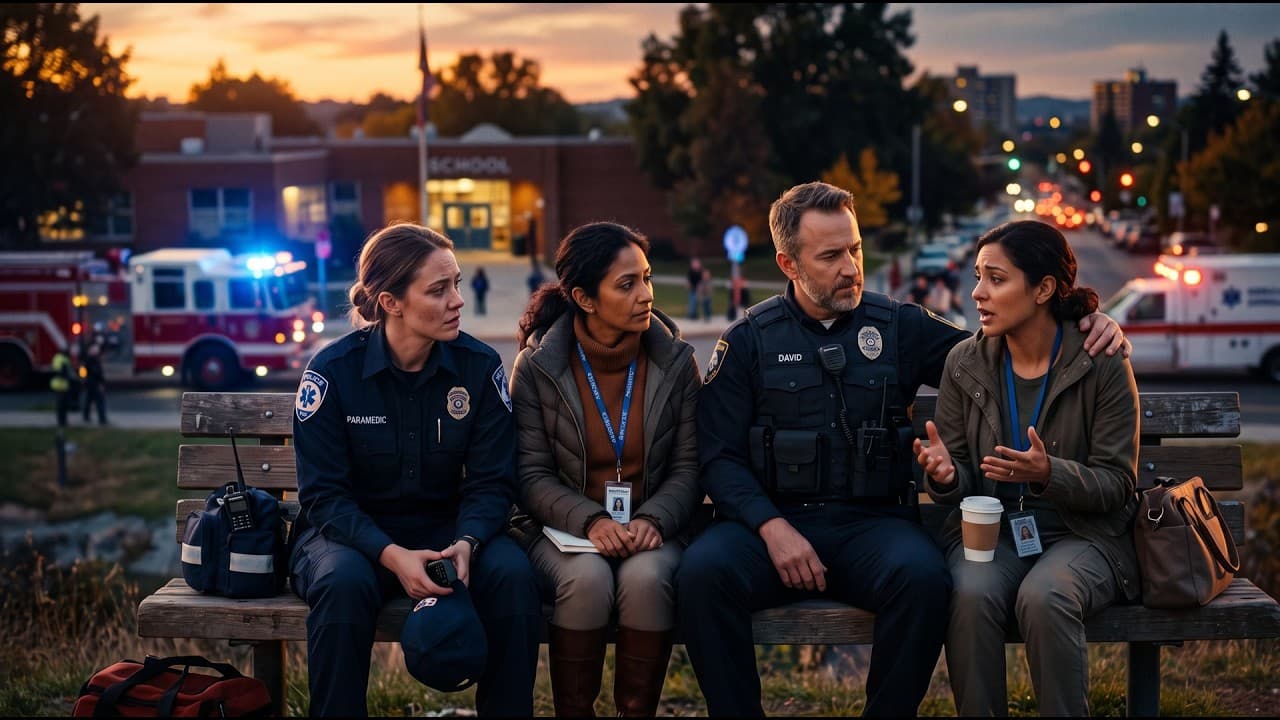
Moral Injury: Signs & Treatment | Georgia Telehealth Therapy
Question for anyone who works in healthcare, emergency services, education, or child welfare:

Burnout: Signs, Symptoms & Treatment | Georgia Telehealth Therapy
Can we talk about burnout for a second? Not the joking kind, the real kind.
Want to talk to a therapist?
15+ licensed therapists, all 159 Georgia counties, telehealth-only. Medicaid covered at $0 copay.
Book a free consultation