
Let's clear up one of the most... | Georgia Telehealth Therapy
About this video
Let's clear up one of the most stigmatized diagnoses there is. Schizophrenia is NOT a "split personality," and people living with it are far more likely to be victims of violence than perpetrators of it. It's a brain-based condition involving episodes of psychosis — hallucinations, delusions, disorg
Generated from Coping & Healing Counseling: Accessible Telehealth for Georgia
#CopingAndHealing #GeorgiaTherapy #Telehealth #MentalHealth
Transcript
Schizophrenia remains one of the most misunderstood diagnoses in medicine. While often confused with having a split personality, the condition actually involves a distinct set of symptoms related to how the brain processes reality. Public perception also frequently links the diagnosis to inherent violence. Statistically, the opposite is true. Individuals living with schizophrenia are far more likely to be victims of violence than to commit it. These misconceptions create a culture of stigma that breeds fear. This environment often causes families to hesitate, dangerously delaying the search for medical help during the early stages of the disease. Societal silence and the fear of a label represent the most immediate threats to a new patient as they block the path to
life-changing early intervention. Moving past the myths allows us to focus on the biological reality, the specific time frame when the condition first appears. Most patients experience their first symptoms within this specific window between their late teens and their early 30s. This demographic timing causes maximum disruption, striking exactly when a person is meant to be transitioning into an independent adult life. Because the disease interferes with these crucial developmental years, time becomes the most important variable in determining how successful a recovery will be. Clinical research identifies schizophrenia as a strictly physical brainbased disorder. The condition is characterized by episodes of psychosis referred to as positive symptoms which include hallucinations, delusions, and disorganized thinking. These coexist with negative
symptoms that are often harder to spot such as reduced motivation, a flat emotional affect, and severe social withdrawal. This chart shows the direct relationship between time and treatment. As psychosis goes untreated, the difficulty of achieving a clinical recovery curves sharply upward. Delaying treatment allows the psychosis to damage a patients long-term prognosis, turning a manageable vulnerability into a cascading crisis. Managing that crisis requires coordinated specialty care. This approach surrounds the patient with four distinct pillars of clinical support. The first pillar is psychiatric intervention which focuses on managing the necessary antiscychotic medications. The second is cognitive behavioral therapy to help patients navigate the experience of psychosis. The final pillars provide family psychoeducation and supported employment. Together these
nodes form a protective ring that stabilizes the patients daily life. Isolated treatments like medication are rarely enough on their own. Recovery depends on the synergy between biological, psychological, and social support. Coordinated intervention transforms the long-term outlook for this diagnosis. With early care, schizophrenia becomes a highly manageable condition. Individuals who successfully navigate that critical window, frequently return to higher education, maintain their careers, and sustain deep, connected lives. A diagnosis marks the beginning of a structured management process that protects a person's potential and long-term independence. For most families, the biggest challenge is finding a team capable of coordinating this entire web of care. Coping and Healing Counseling provides that solution, offering a team of over 15 licensed
therapists who specialize in this type of care coordination. Their practice covers every county in Georgia. Using a 100% HIPPA compliant telealth model, they bring specialized support to even the most remote areas. CHC provides the therapy, family education, and coordination required for recovery while collaborating directly with outside psychiatric prescribers to ensure the medical side of treatment is seamless. They also prioritize financial accessibility. CHC is in network with major commercial plans and accepts Medicaid for a $0 co-pay. Beating the critical window requires immediate action. Visit chc theapy.com or call to begin coordinating your care today.
More videos

Post-Intensive Care Syndrome Explained | Georgia Telehealth Therapy
If you or someone you love spent time in an ICU, please read this.
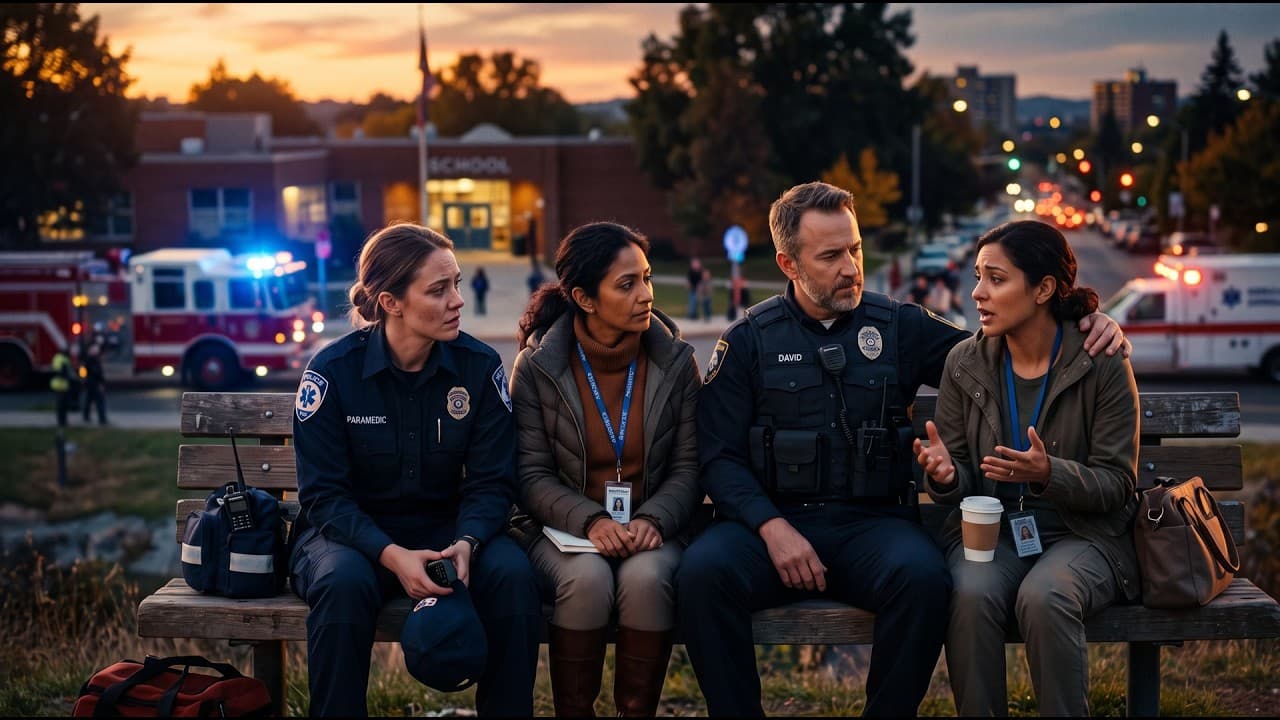
Moral Injury: Signs & Treatment | Georgia Telehealth Therapy
Question for anyone who works in healthcare, emergency services, education, or child welfare:

Burnout: Signs, Symptoms & Treatment | Georgia Telehealth Therapy
Can we talk about burnout for a second? Not the joking kind, the real kind.
Want to talk to a therapist?
15+ licensed therapists, all 159 Georgia counties, telehealth-only. Medicaid covered at $0 copay.
Book a free consultation