
Betrayal Trauma: Signs & Recovery | Georgia Telehealth Therapy
About this video
Some wounds aren't about what happened. They're about who it happened with.
Betrayal trauma is what can develop when the person who hurt you is someone you depended on — a partner, a parent, a close friend, sometimes an institution you trusted. The source of the injury and the source of safety were
Generated from Coping & Healing Counseling: Accessible Telehealth for Georgia
Transcript
When we experience sudden pain or intense fright, our immediate biological instinct is to seek out a trusted figure for safety. We naturally look to the people we depend on, a partner, a parent, or a close friend, to act as our primary biological anchors in a crisis. But what happens to the human brain when the person you instinctively run to for safety is the exact person you need to run from? Clinicians call this specific collision of events betrayal trauma. Because of the psychological mechanics involved, it does not behave like ordinary heartbreak or a standard emotional wound. It is a complete structural collapse of a person's biological safety system. The mental aftermath is exhausting. You might replay
details for months, hunting for the exact moment you should have known. Physiologically, your sleep won't settle and your body stays on high alert even when the immediate danger has passed. Socially, you start bracing for bad news, maintaining strict hypervigilance even inside new lowrisk relationships. And most perplexingly, you often feel deeply foolish and ashamed long before you ever feel angry at the person who hurt you. The defining mystery here is this inward turn. A broken trust causes you to completely lose confidence in your own ability to read other people. To understand why betrayal trauma differs from incident based PTSD, we can look at this animated diagram of a standard coping mechanism called co-regulation. It shows a
steady, healthy transfer of energy. In normal trauma, an outside threat strikes and you borrow the calm of a trusted external figure to safely disperse that emotional impact. The devastating paradox of betrayal is that the attachment figure and the external threat are the exact same entity. The system shortcircuits because the source of the injury and the source of safety occupy the same space. There is nowhere external to take the pain. Without an external avenue, the brain pushes its threat assessment inward in a process called inward appraisal. It traps you in an endless loop, interrogating your own judgment to figure out what you missed. Relentless self-doubt and shame are not character flaws. They are simply the brain's
logical mechanical attempt to solve an impossible psychological paradox. Understanding the mechanical cause of this trauma changes exactly how it must be treated. To fix a trauma caused by a broken attachment, you must give the experience a name and a shape within a safe external environment. Working with a licensed clinician allows you to sort out which emotional weight was actually yours to carry and which weight belonged entirely to the person who betrayed you. Coping and healing counseling provides this external safe avenue. Their culturally competent team specializes in trauma, offering HIPPA compliant telealth therapy across all 159 Georgia counties. They remove typical barriers to entry. For Medicaid patients, the co-ay is $0 and most commercial plans run
$10 to $40 a session. Betrayal trauma forces the mind to turn against itself. Securing the right external support is the mechanism to finally trust your own judgment again.
More videos

Post-Intensive Care Syndrome Explained | Georgia Telehealth Therapy
If you or someone you love spent time in an ICU, please read this.
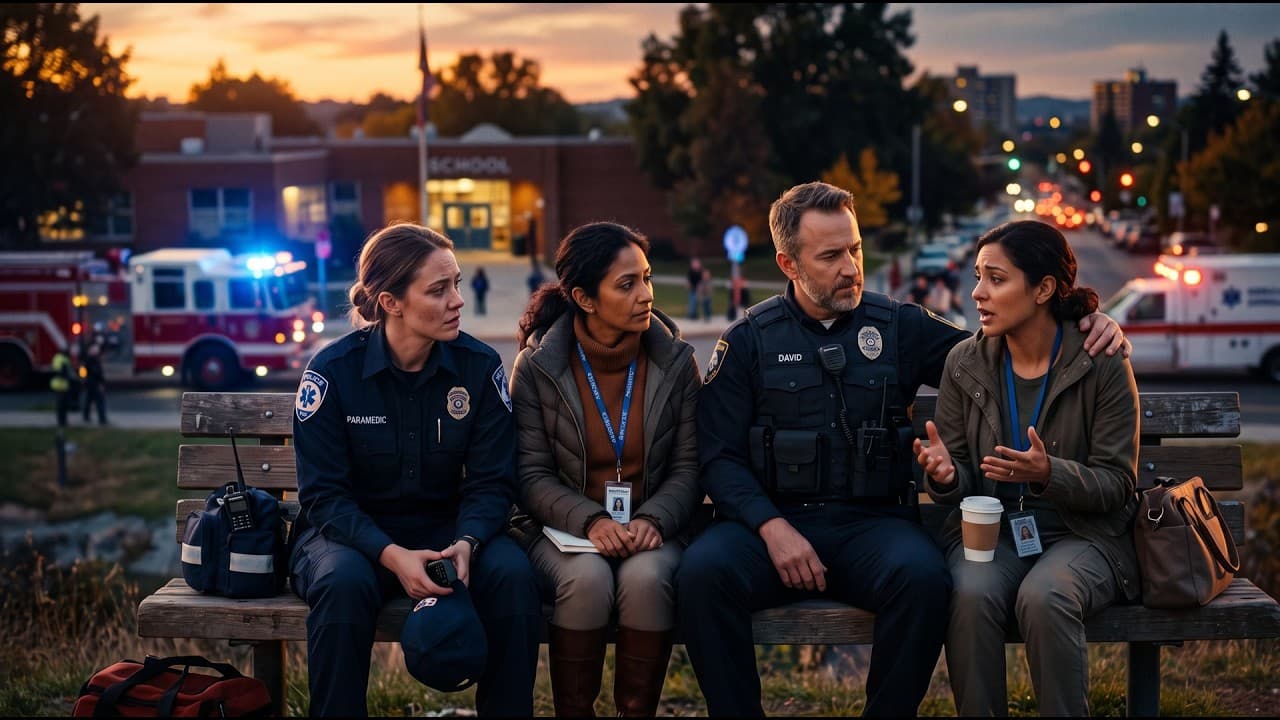
Moral Injury: Signs & Treatment | Georgia Telehealth Therapy
Question for anyone who works in healthcare, emergency services, education, or child welfare:

Burnout: Signs, Symptoms & Treatment | Georgia Telehealth Therapy
Can we talk about burnout for a second? Not the joking kind, the real kind.
Want to talk to a therapist?
15+ licensed therapists, all 159 Georgia counties, telehealth-only. Medicaid covered at $0 copay.
Book a free consultation